Stripping, Leaching, Precipitation — choosing the right recovery route
Three chemistry routes, three feedstocks, three economics. A practical guide to picking the right PolyGO product family for your waste stream.
Every conversation we have with a new recovery operator eventually lands on the same question: which of your products do I actually need? PolyGO ships three distinct chemistry routes, and the right one depends almost entirely on the physical state of the metal in your feedstock — solid or already in solution.
Here is the field-grade decision tree we walk customers through.
Route 1 — Stripping (solid waste → solid metal)
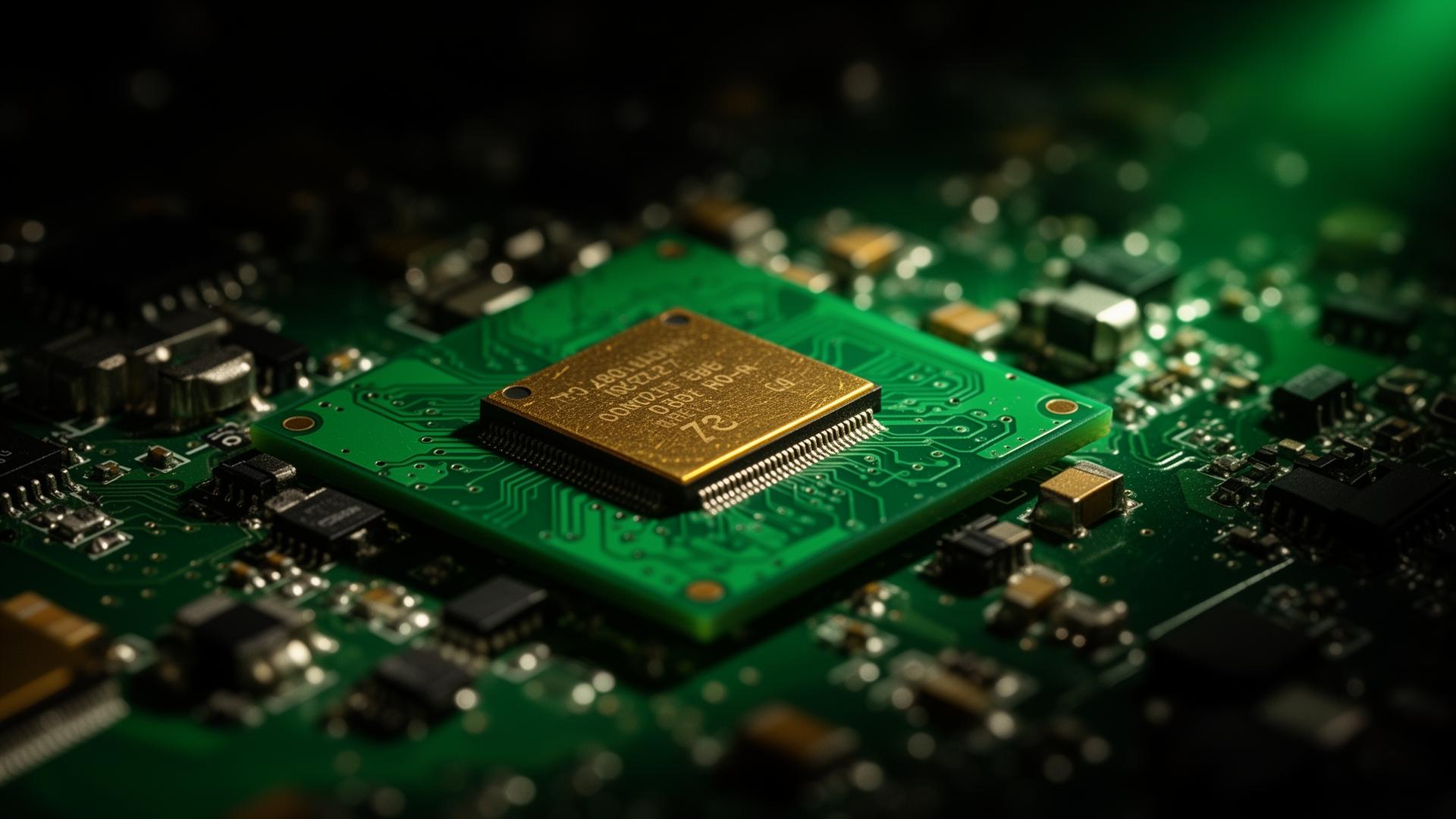
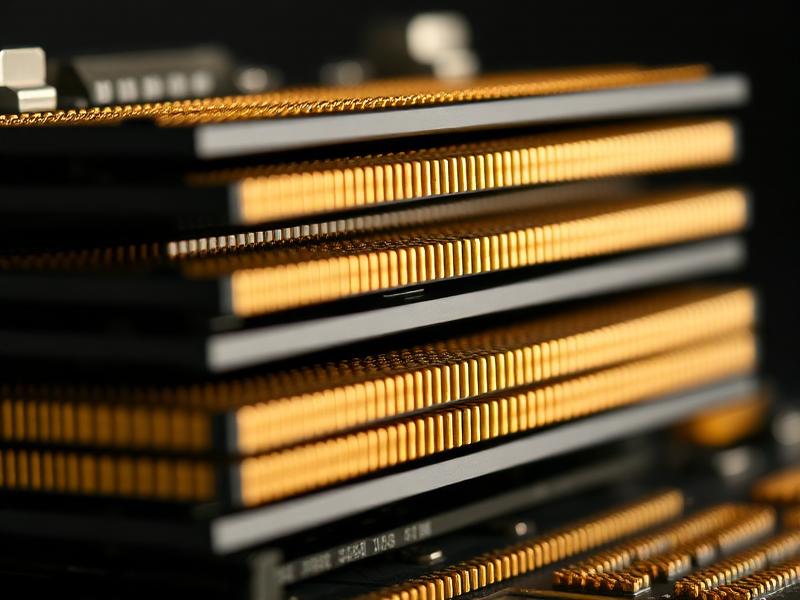
Use a stripping product when the precious metal sits as a coating or plated layer on a solid substrate: connector pins, PCBs, plated jewellery, catalyst supports. Our stripping chemistry selectively dissolves the precious metal off the substrate and then drops it out directly in solid form. No precipitation step. No downstream effluent handling.
This is usually the fastest route to a sellable product and the cleanest from a compliance standpoint — fewer unit operations, fewer chemicals on site, smaller water loop.
Route 2 — Leaching (solid waste → solution → precipitation)
Leaching is the right answer when the metal is locked inside a complex matrix — bonding wire, low-grade PCB fines, spent automotive catalyst — where stripping cannot reach it. The leaching product dissolves the precious metal into solution, and a precipitation step downstream drops it back out as a high-grade solid for refining.
All PolyGO leaching chemistries are non-cyanide by default. The trade-off versus stripping is more unit operations and an effluent stream to manage — but on the right feedstock, leaching unlocks recovery that stripping simply cannot.
Route 3 — Precipitation (liquid waste → solid metal)
Precipitation chemicals are designed for feedstock that arrives as a liquid: refinery effluent, electroplating rinse, hydrometallurgical bleed, or the leachate produced by Route 2. The chemistry selectively drops the precious metal out as a solid for refining, and pairs with heavy-metal remediation chemistry to close the effluent loop.
If your operation is already generating a precious-metal-bearing liquid stream — even if you currently treat it as waste — precipitation chemistry is usually the highest-ROI line to add.
How we help you decide
We never quote chemistry without seeing a sample of your actual waste stream first. Every engagement starts with a feasibility study: we characterise the feedstock, run bench-scale recovery, and only then recommend a product and a projected yield. We prove the chemistry works on your material before you commit to volume.