End-of-life PV panels are the next silver feedstock
The first wave of crystalline-silicon photovoltaic panels is reaching end-of-life. Silver paste from those panels is a meaningful recovery opportunity — and a chemistry problem.
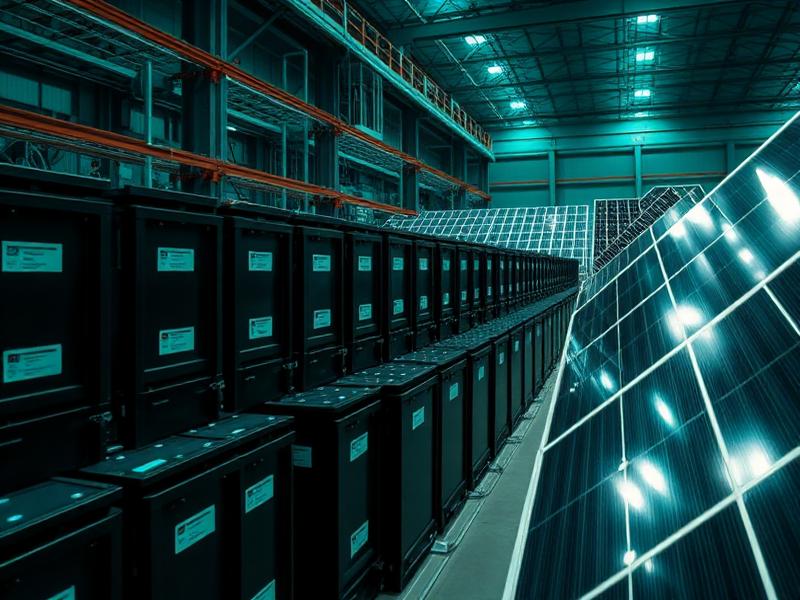
The crystalline-silicon PV panels installed during the 2010s solar build-out are now reaching the back end of their service life. Each panel carries a small but valuable silver contact layer printed onto the cell — and at industry scale, the cumulative silver inventory is significant.
The chemistry challenge
Silver paste on PV cells is not the same problem as silver-plated industrial scrap. The metal is bound up with the cell architecture, the substrate is fragile, and the contaminant profile is specific. Generic silver leaching chemistry tends to either under-recover or attack adjacent layers.
Our non-cyanide silver leaching product was specifically validated against the silver-paste contact layer of crystalline-silicon modules. It dissolves silver selectively, leaves the substrate manageable downstream, and is compliant by default on the effluent side.
Pairing with capture and precipitation
On PV lines we typically deploy the leaching chemistry alongside PolyGOResin™ Select Series for selective capture of silver ions at low concentration, with our precipitation chemicals on the bleed stream to close the liquor loop. Same playbook as our other leaching deployments — the chemistry adapts, the system architecture does not.